No-Dig Vegetable Beds: How to Start One in a Weekend
You can build a productive vegetable bed this weekend without turning a single shovelful of soil. All it takes is plain cardboard, a few loads of compost, and a spot with decent sun. No-dig gardening skips the digging, the tilling, and the yearly wrestling match with a rototiller. Instead, you smother whatever is growing there now, cover it with good compost, and plant straight into that. Worms, roots and soil fungi do the rest, pulling the organic matter down and opening channels in the ground beneath.
The method suits almost any starting point: tired lawn, weedy patch, hard-packed clay, even a strip of gravelly dirt beside a driveway. It is also forgiving. Get the layering roughly right and the bed works.
What a No-Dig Bed Actually Does
Strip away the branding and a no-dig bed is a raised layer of compost sitting on top of undisturbed ground. You never invert the soil, so its structure stays intact — the worm tunnels, fungal threads and pockets of air that took years to form. Digging breaks those up and drags weed seeds into the light, which is why a freshly turned bed so often explodes with chickweed.
The cardboard underneath does two jobs. It blocks light, which knocks back most existing growth, and it feeds worms and microbes as it rots. Within a few months it has largely vanished, leaving a soft dark layer that roots push through easily.
This is not quite the same as lasagna gardening, which stacks alternating layers of browns and greens. No-dig is simpler: cardboard plus compost. Extra leaves, straw or grass clippings on top are useful as mulch, but they are optional.
You are not building a box for the soil. You are feeding the soil, and letting it build the bed.
What You'll Need
- Cardboard. Plain brown corrugated boxes, flattened. Pull off every strip of packing tape, all staples and any plastic labels. Skip glossy printed boxes, waxed produce cartons and anything with a shiny coating — those break down poorly.
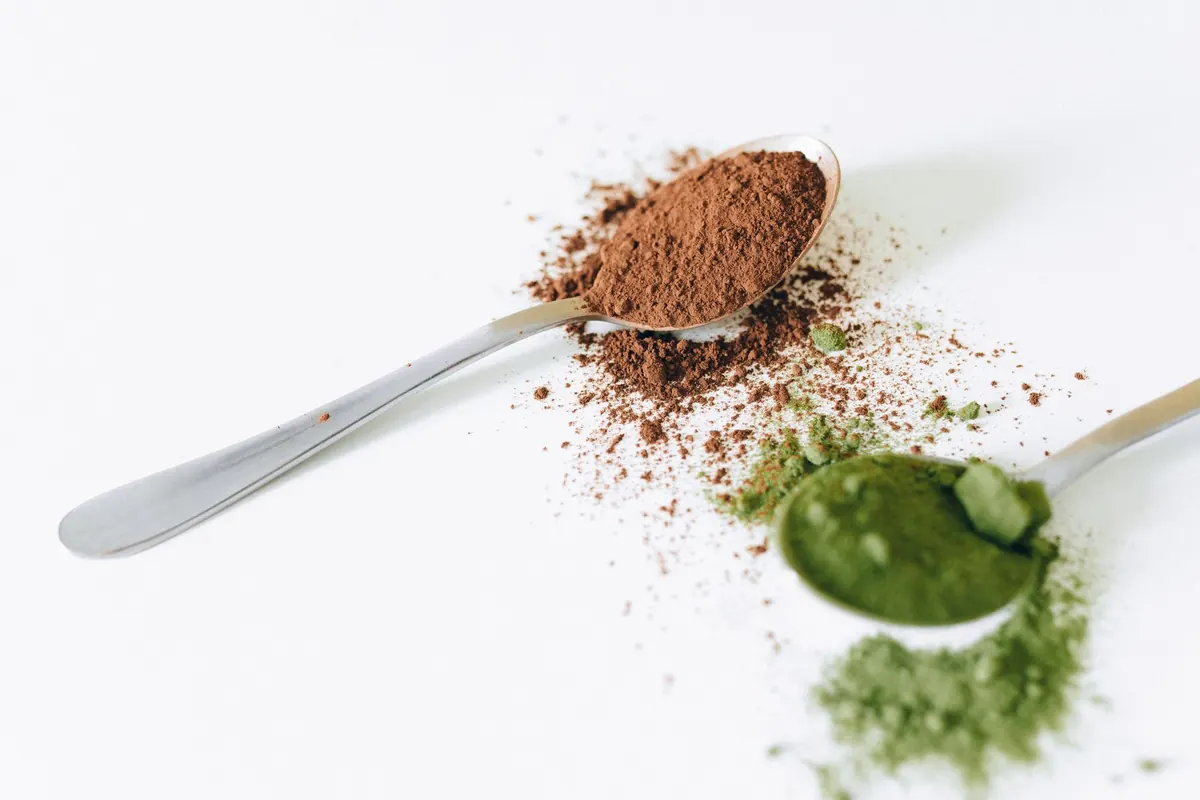
- Compost. Enough to cover the bed three to six inches deep. Homemade is ideal; municipal compost, mushroom compost or bagged garden compost all work.
- Something to bulk it out. Well-rotted manure, leaf mould or spent potting mix, mixed roughly half and half with the compost.
- Water. A hose or sprinkler. Dry cardboard repels water and can stay dry underneath for months.
- Path material. Wood chips, straw or leftover cardboard for around the bed.
- Tools. A rake, a wheelbarrow, a sharp knife and a tray of transplants.
A 4-by-8-foot bed filled four inches deep needs a bit over 10 cubic feet of compost — about eight large bags, or a small bulk delivery if you have other beds planned. Bulk is usually cheaper per cubic foot, but only if you have somewhere to dump it.
Step by Step
Pick the spot
Choose ground that gets six to eight hours of summer sun and sits within reach of a hose. Keep beds no wider than 4 feet so you can reach the middle from either side without stepping on them. Mark the outline with string, a garden hose or a trickle of flour. Eight feet is a good length for a first bed.
Clear what's there, without digging
Mow or trample tall growth flat. You do not need to remove grass, weeds or old mulch — that is the whole point. The exception is deep-rooted perennials such as bindweed, brambles or dock. Cut those hard and expect to keep cutting through the first season; a single layer of cardboard rarely kills them outright. Two overlapping layers helps. If you are covering gravel, sweep it aside first so the cardboard can touch soil.
Lay the cardboard
Overlap each sheet by at least 6 inches in every direction, and run the cardboard a few inches past your marked outline. Gaps are where weeds find daylight. One unoverlapped seam can produce a stripe of grass straight down the middle of the bed. When the area is covered, soak it thoroughly. Wet cardboard lies flat and starts rotting immediately; dry cardboard curls and sheds water.
Pile on the compost
Dump the compost onto the cardboard and rake it to an even depth. Three to four inches is plenty for salad leaves, herbs, beans and most roots. For tomatoes, zucchini, brassicas and other hungry crops, go closer to six inches. Do not mix it into the ground below, and do not walk on the bed while you work — reach in from the sides, or lay a plank across to spread your weight.
Plant the same weekend
You can plant right away. Set transplants into the compost at the same depth they were growing in their pots, water them in, and leave the cardboard below undisturbed. Seeds work too: sow into shallow drills in the compost and keep them damp. Roots will reach down through the softening cardboard within weeks. Plant in autumn and the same method gives you a bed that is ready to go in spring.
A Weekend Timeline
- Friday evening. Collect and flatten boxes, cutting out tape and staples while you have a table to work on. Fetch or order compost.
- Saturday morning. Mow the site, mark the outline, lay the cardboard overlapping in both directions, then soak it.
- Saturday afternoon. Spread compost, rake it level, and mulch the paths with wood chips or straw.
- Sunday morning. Plant transplants and sow seeds. Water everything well.
- Sunday afternoon. Scatter a thin mulch of straw or leaves over any bare compost, then stop.
Year One Care
Water at the base of plants rather than overhead, and check the compost layer rather than the soil beneath — it dries out faster than ground soil, especially in the first summer. A 2-inch mulch of straw or grass clippings cuts watering roughly in half.
Weed by pulling anything that appears at the edges or pushes through a seam. It comes out easily, roots and all, because it is growing in loose compost. Top up the bed with an inch of compost in autumn and let the cardboard finish disappearing on its own.
The First Season and Beyond
Expect the first year to be good and the second to be better. As the cardboard breaks down, worms move up into the compost layer, and the boundary between your bed and the ground below blurs into something dark and crumbly.
After that the routine is short: add an inch or two of compost each autumn, keep the paths mulched, never walk on the bed, and never dig it. A bed built in a weekend will keep producing for years on that alone.
Photo: Dino / Pexels
You Might Also Like
Woolly bear bands, persimmon seeds, acorn crops and squirrel habits: a field guide to the folk signs said to predict a hard winter, and how to track them yourself.
Six familiar weather sayings, from red skies to thick onion skins, get checked against how weather actually works — and the short-range ones come out far better than the season-ahead ones.